Episode 15 - Change Fatigue is Real and Youre Probably Causing It
Jun 30, 2026
Show Notes:
Transcript: Change Fatigue Is Real, and You Might Be Causing It
Every organization talks about change.
"You have to innovate."
"The only constant is change."
"Good employees adapt."
If you've worked in leadership for any length of time, you've probably heard these phrases over and over again. Today, organizations are launching new initiatives faster than ever. New territories, new programs, new technology, new fundraising efforts, new operational systems. Change has become the expectation.
But here's the problem.
More change does not automatically create better organizations.
In many cases, it creates exhausted teams.
If you're constantly introducing new initiatives while your staff is still trying to keep up with the last one, you're probably creating something most leaders never stop to think about.
Change fatigue.
What Is Change Fatigue?
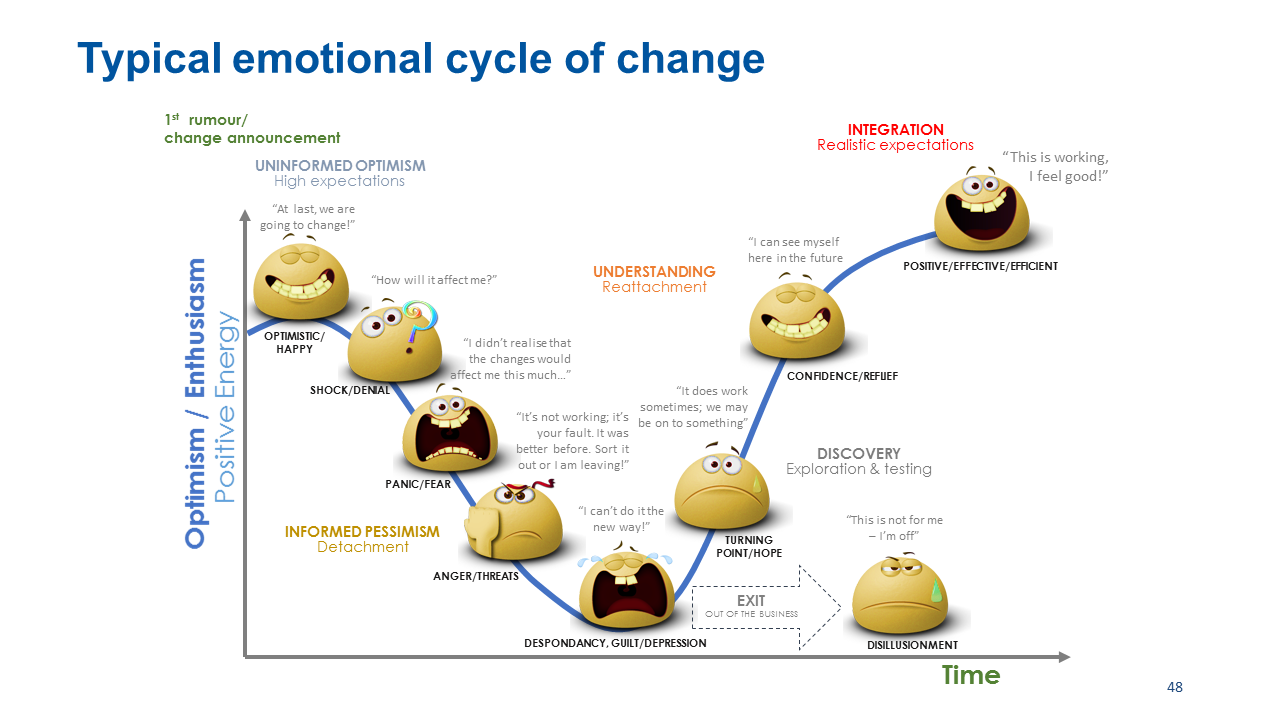
Change fatigue happens when people are asked to continuously adjust, but rarely have the opportunity to fully implement, master, or stabilize the previous change.
It doesn't happen because employees dislike improvement.
It happens because leaders keep starting new initiatives before finishing the last ones.
When leadership launches new programs, brings in consultants, restructures operations, or introduces new processes without following through to completion, teams begin to lose confidence that any change will actually last.
The Hidden Cost of Incomplete Change
One of the most common responses from frontline teams sounds something like this:
"We've had consultants here before. Nothing ever changes. Why should this be any different?"
That statement isn't resistance.
It's exhaustion.
Even worse, it's often a sign that trust has started to disappear.
Employees stop believing leadership will support the process long enough for meaningful improvement to happen. They become skeptical of every new announcement because experience has taught them that today's priority will likely disappear before next month's begins.
Why Leaders Need to Recognize It
Every unfinished initiative leaves behind confusion.
Should employees follow the old process?
The new process?
Or the half-finished version somewhere in between?
Without consistent follow-through, organizations don't just fail to improve. They create operational chaos that makes future change even harder to implement.
Yours free: 🐝 "5 Power Moves That Will Make or Break Your Provider Success"

As a sought-after problem solver in the IDD community, Sara Sherman helps providers, governments, and organizations solve their most challenging problems once and for all.
With decades of experience in all aspects of the developmental disabilities system, Sara teaches practical, implementable, and repeatable steps that produce measurable and sustainable results to ensure those problems stay gone for good.